HIIT vs Steady State Cardio: Which Is Better?
The debate between HIIT vs steady state cardio has been going on for years. One camp says short, intense intervals burn more fat. The other insists that longer, moderate sessions are safer and more sustainable. The truth is that both work — but they work differently, and the best choice depends on your goals, your schedule, and how your body recovers.
What Is HIIT and What Is Steady State Cardio?
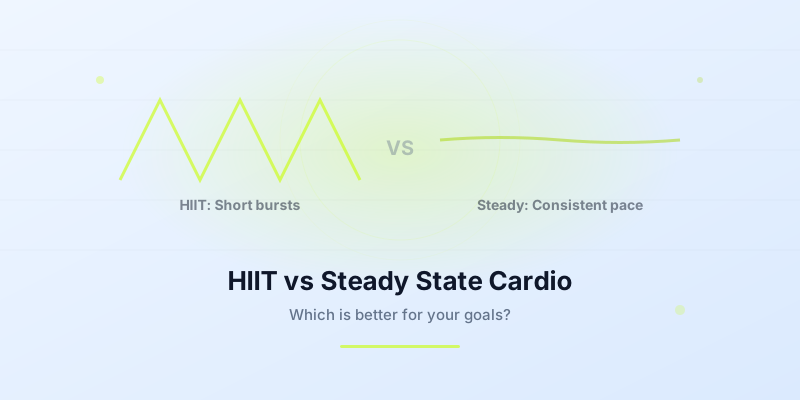
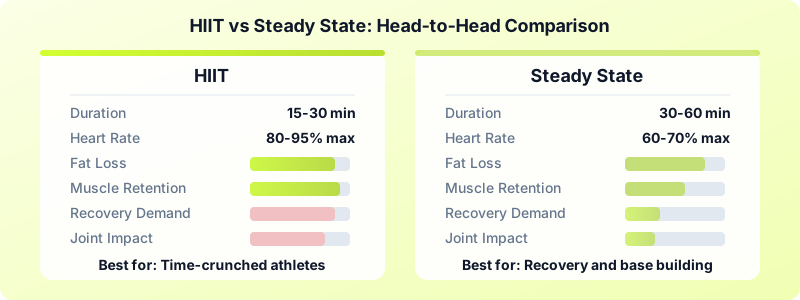
HIIT (High-Intensity Interval Training) alternates between short bursts of all-out effort and brief recovery periods. A typical session lasts 15 to 30 minutes. You might sprint for 30 seconds, walk for 60 seconds, and repeat for 8 to 12 rounds. Your heart rate spikes above 80 percent of your max during work intervals.
Steady state cardio (also called LISS — Low-Intensity Steady State) keeps your heart rate at a moderate, consistent level for 30 to 60 minutes. Think jogging, cycling, swimming, or brisk walking at a pace where you can hold a conversation but still feel like you are working. Your heart rate stays between 60 and 70 percent of max.
Both methods improve cardiovascular fitness. The difference is in how they get there — bursts versus consistency, power versus endurance.
HIIT vs Steady State Cardio for Fat Loss
Here is what the research actually says: for total fat loss, HIIT and steady state cardio produce nearly identical results when calorie expenditure is matched. A major meta-analysis confirmed that both methods reduce body fat by similar amounts over time.
So why does the debate persist? Because each method has different secondary effects.
HIIT and the afterburn effect. After a HIIT session, your body continues burning calories at an elevated rate for several hours. This is called EPOC (Excess Post-Exercise Oxygen Consumption). It sounds impressive, but the actual extra calories burned are modest — roughly 50 to 80 extra calories, not the hundreds some marketers claim.
Steady state and fat oxidation. During moderate cardio, a higher percentage of calories come directly from fat. Your body becomes more efficient at using fat as fuel, which improves metabolic health over time. This is especially valuable for building an aerobic base.
The real fat loss factor is not which cardio style you choose — it is total calorie balance. If your nutrition is dialed in, both methods accelerate fat loss equally. If it is not, neither method will save you.
When HIIT Is the Better Choice
HIIT has clear advantages in specific situations.
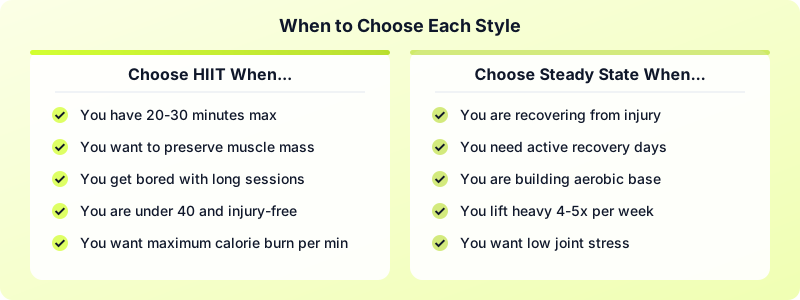
You are short on time. A 20-minute HIIT session can deliver comparable cardiovascular benefits to a 40-minute jog. If your schedule only allows 20 to 30 minutes for cardio, HIIT gives you the most bang for your time.
You want to preserve muscle. HIIT activates fast-twitch muscle fibers and triggers a hormonal response that favors muscle retention. Studies show that HIIT preserves lean mass better than long-duration cardio during a calorie deficit. If you care about how HIIT functions as both cardio and strength training, this is a major advantage.
You get bored easily. The constant switching between work and rest keeps HIIT mentally engaging. The session ends before monotony sets in.
You are under 40 and relatively fit. Research suggests HIIT is most effective for younger individuals aged 18 to 30, where it promotes greater fat oxidation and muscle retention compared to steady state.
A solid starting point is a beginner HIIT workout with a 1:2 work-to-rest ratio — 20 seconds of work followed by 40 seconds of rest.
When Steady State Cardio Wins
Steady state is not the boring cousin of HIIT. It has real, research-backed advantages.
You are recovering from injury. Low-impact steady state cardio is far gentler on joints. Walking, cycling, and swimming let you build fitness without the pounding that comes with HIIT exercises like burpees and jump squats.
You need active recovery. On days between hard training sessions, a 30-minute walk or easy bike ride promotes blood flow, reduces soreness, and speeds recovery without adding stress to your system.
You are building an aerobic base. Zone 2 training — steady state at 60 to 70 percent of max heart rate — improves mitochondrial efficiency. This means your cells get better at producing energy from fat, which benefits every other type of training you do.
You are over 40 or new to exercise. Research shows that middle-aged and older adults often see better adherence and comparable fat loss results with steady state cardio. The lower injury risk and manageable intensity make it a sustainable long-term habit.
You train hard with weights. If you already lift 4 to 5 days per week, adding HIIT on top can push you into overtraining. Steady state cardio complements a heavy lifting schedule without taxing your nervous system.
How to Combine Both for Best Results
The smartest approach is not choosing one or the other — it is using both strategically throughout your week.
A balanced weekly plan might look like this:
- 2 HIIT sessions (20 to 25 minutes each) on days when you have energy and want to push hard
- 2 to 3 steady state sessions (30 to 45 minutes each) on recovery days or after strength training
- 2 rest days for full recovery
This gives you the time efficiency and muscle-preserving benefits of HIIT while building the aerobic base and recovery benefits of steady state. The variety also keeps your routine interesting and reduces the risk of overuse injuries.
If you are in a fat loss phase, prioritize HIIT earlier in the week when energy is highest and use steady state later in the week when fatigue accumulates. If you are in a maintenance or muscle-building phase, flip the ratio — more steady state to support recovery between lifting sessions.
Pay attention to how your body responds. If you feel constantly drained, you probably have too much HIIT relative to your recovery capacity. If you feel stale and unchallenged, add another interval session. Adjusting the balance every few weeks based on how you feel keeps your program effective long-term.
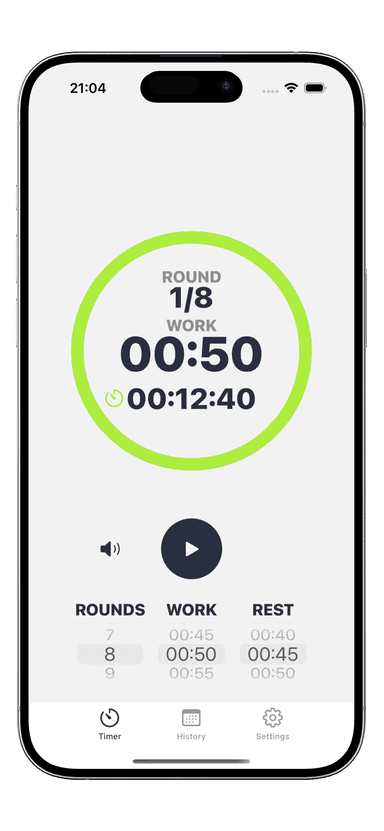
Use your Interval Timer to structure your HIIT sessions with precise work and rest intervals. For steady state days, set a simple countdown timer for 30 or 40 minutes and keep your pace consistent.
The key insight is this: the best cardio for fat loss is the one you actually do consistently. If you love HIIT, do more HIIT. If you prefer long walks or bike rides, lean into steady state. Mix both when you can. The habit matters more than the method.
Download Interval Timer and set up custom intervals for your HIIT days or simple countdowns for your steady state sessions.