Post-Workout Nutrition Timing for Muscle Recovery
Post workout nutrition timing is one of the most debated topics in fitness — and one of the most important to get right. Train hard, eat wrong afterward, and you slow your recovery, blunt muscle growth, and set yourself up for a tougher session next time. Get it right and your body repairs faster, adapts stronger, and is ready to go again sooner.
The science here has evolved significantly over the last decade. Here's what actually matters and what you should eat after your HIIT or strength training sessions.
Why Post-Workout Nutrition Timing Matters
During a hard HIIT session or strength workout, your muscles use glycogen (stored carbohydrate) as fuel and experience micro-tears in the muscle fibers. Both need to be addressed after training:
- Glycogen replenishment — Your muscles are more receptive to storing carbohydrates immediately after exercise. Enzymes that convert glucose to glycogen are highly active for 30-60 minutes post-workout.
- Muscle protein synthesis (MPS) — Providing amino acids from protein triggers the repair and rebuilding of damaged muscle fibers. This is how your muscles grow stronger.
- Hormonal environment — Insulin sensitivity is elevated after exercise, meaning carbohydrates are shuttled into muscle cells more efficiently than at rest.
Skip post-workout nutrition and your body still recovers — it just takes longer and draws on whatever resources are already circulating. Eat strategically and you accelerate the process.
The Anabolic Window — Fact or Fiction?
You've probably heard about the "anabolic window" — the 30-minute window after training when you must eat protein or the workout is wasted. This is mostly a myth, but the kernel of truth matters.
The research shows:
- The urgency is overstated for most people. If you ate a solid pre-workout meal 1-2 hours before training, your body has plenty of amino acids still circulating.
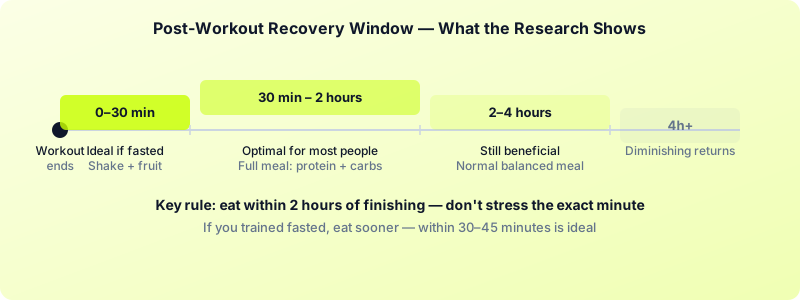
- The window is real but wider than claimed. Muscle protein synthesis remains elevated for 24-48 hours after training. Eating within 2 hours post-workout is beneficial. Eating within 30 minutes is not dramatically superior.
- The exception: fasted training. If you trained first thing in the morning without eating (or had only a small snack), the window matters more. Your amino acid levels are low and eating soon after training makes a meaningful difference.
The practical rule: eat a real post-workout meal within 1-2 hours of finishing. Don't stress if it's 90 minutes — stress if it's 5 hours.
What to Eat After a HIIT or Strength Workout
Your post-workout meal needs two main things: protein and carbohydrates. Here's the breakdown:
Protein target: 20-40g This is the amount needed to maximally stimulate muscle protein synthesis in most people. More isn't harmful, but doesn't add extra benefit in a single sitting.
Best post-workout protein sources:
- Chicken breast or turkey (30g protein per 100g)
- Canned tuna or salmon (25g protein per 100g)
- Greek yogurt (10-17g per 170g serving)
- Whey protein shake (20-25g per scoop — fastest digesting option)
- Eggs (6g per egg — 3-4 eggs post-workout)
- Cottage cheese (14g per 100g)
Carbohydrate target: 30-60g Replenish glycogen and spike insulin to drive nutrients into muscle cells.
Best post-workout carb sources:
- White rice (fastest glycogen replenishment)
- Banana or fruit (quick sugar plus micronutrients)
- Potatoes or sweet potatoes
- Bread or wrap (easy to eat even when appetite is low)
- Chocolate milk (surprisingly well-researched — provides a 3:1 carb-to-protein ratio naturally)
The Academy of Nutrition and Dietetics specifically recommends a 3:1 carb-to-protein ratio post-workout. So 30g of protein pairs with 90g of carbs for a heavier strength session. For lighter HIIT, 20g protein and 40-60g carbs is plenty.
Fat: keep it moderate Fat doesn't hurt post-workout recovery, but it slows gastric emptying and delays the arrival of carbs and protein. A moderate amount is fine — just don't load up on high-fat foods when speed of digestion matters.
Post-Workout Nutrition for Different Goals
Your training goal changes what you prioritize after a session. This connects to your broader post-workout nutrition guide and complements your sleep and muscle recovery strategy.
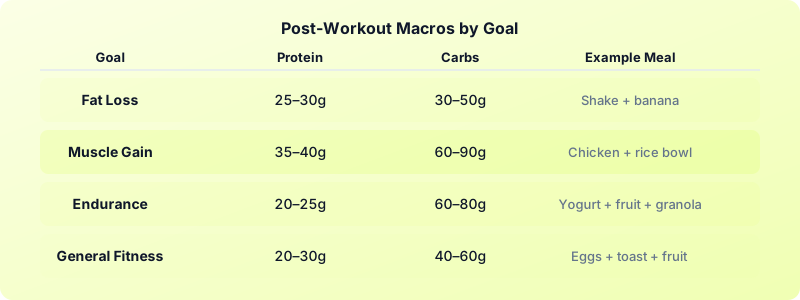
Fat loss: Keep post-workout calories controlled but don't skip protein. A protein shake with water and a piece of fruit gives you the recovery stimulus without excess calories. Avoid using post-workout hunger as license to overeat.
Muscle building (hypertrophy): Eat more aggressively. A full meal with 35-40g protein and 60-90g carbs within 1-2 hours drives maximum MPS. Don't fear the calories here — you're feeding your gains.
Endurance performance: Prioritize carbohydrate replenishment. After long or high-volume interval sessions, 60-80g of carbs within 30-60 minutes accelerates glycogen restoration for your next training bout.
General fitness: Keep it simple. A balanced meal with lean protein and complex carbs within 1-2 hours is all you need. Overthinking post-workout nutrition is far less important than eating consistently well throughout the day.
Simple Post-Workout Meal Ideas
These meals hit the protein and carb targets without requiring meal prep expertise:
Quick options (ready in under 10 minutes):
- Protein shake + banana + handful of rice cakes
- Greek yogurt + mixed berries + granola
- 3 scrambled eggs + 2 slices of toast
- Chocolate milk + handful of nuts (light option)
- Tuna wrap with salad leaves
Sit-down meals (within 1-2 hours):
- Chicken and rice bowl with steamed broccoli
- Salmon with sweet potato and vegetables
- Turkey and avocado sandwich on wholegrain bread
- Beef stir-fry with noodles
- Lentil soup with crusty bread (great plant-based option)
Don't Forget Hydration and Electrolytes
Post-workout nutrition isn't just food. HIIT sessions deplete fluids and electrolytes through sweat — especially sodium and potassium. Rehydrating after training is as important as what you eat.
Aim for 500-750ml of water in the hour after training. If your session was long or you sweat heavily, add an electrolyte tablet or include sodium-containing foods (like salted nuts or a sports drink) in your recovery meal.
Consistent post-workout nutrition amplifies everything else you do. Combine it with quality active recovery between sessions and adequate sleep, and your body will adapt faster than training alone can achieve.
Download Interval Timer to track your workout duration precisely — knowing exactly how long and how hard you trained helps you calibrate your post-workout meal size and timing.